Oncologist Dr. Chadi Nabhan of Ryght AI on how digital twins of trial sites and protocol-reading AI agents help clinical trials find the right sites faster.

AI can make clinical trials faster and cheaper by matching each trial with the sites most likely to enroll patients for it. That is the work Dr. Chadi Nabhan, Chief Medical Officer and Head of Strategy at Ryght AI, described on Episode 34 of Built This Week. Ryght has built digital twins of every clinical trial site in the world that has run a trial, and uses agentic and generative AI to rank those sites against a specific study.
Dr. Nabhan is a medical oncologist and hematologist who practiced for about twenty years before moving to industry. He was chief medical officer at Cardinal Health, then chair of the Precision Oncology Alliance at Caris Life Sciences, and joined Ryght about two years ago.
He says Ryght's starting belief is that clinical trials that could bring lifesaving therapies to patients need to move faster, be more efficient and cost less. The company focuses on trial operations: it matches a trial in any therapeutic area against the sites best able to execute it, at scale and globally. To do that it built a digital twin for every site that has run a clinical trial, and a secure platform that uses agentic and generative AI to make the match.
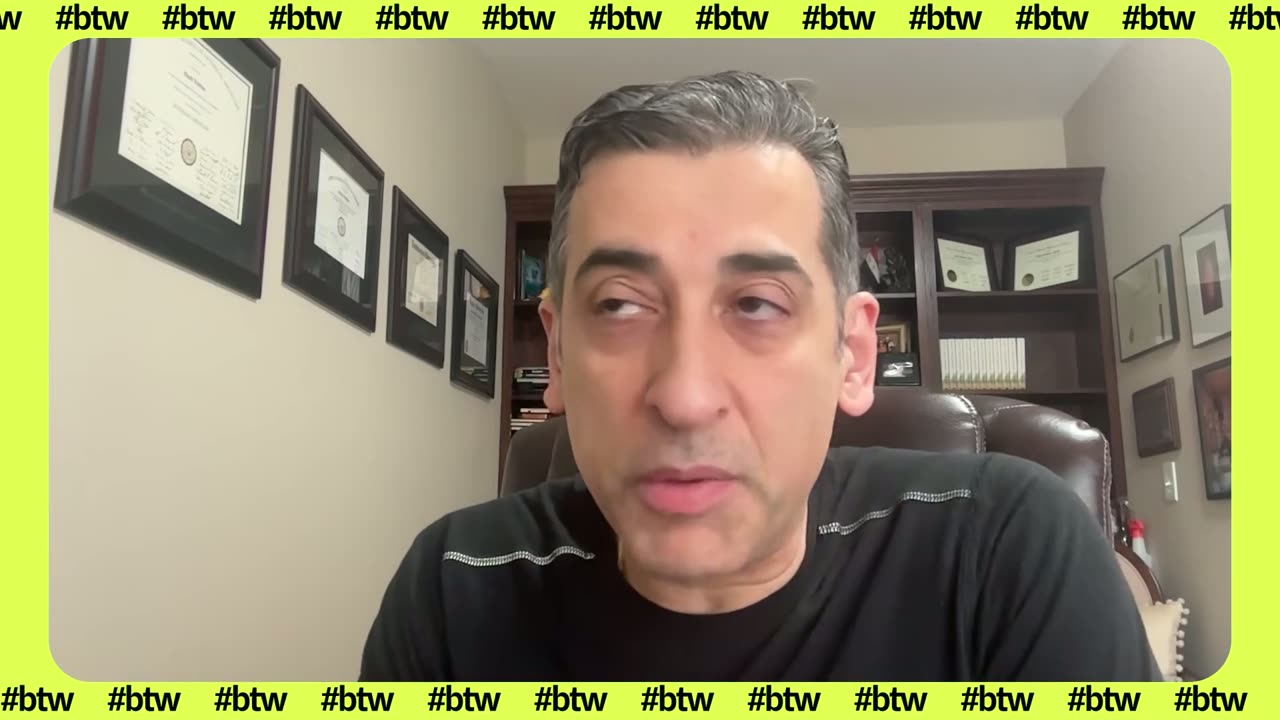
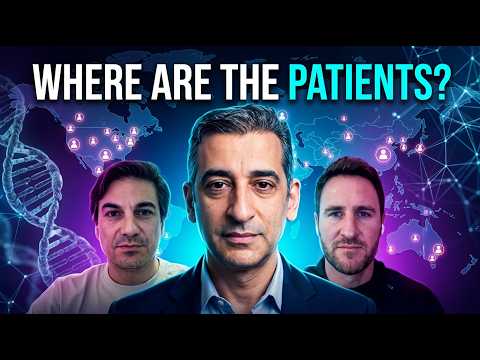
Watch Dr. Chadi Nabhan on why clinical trials fail in Episode 34 (starts at 6:13) · Episode 34 notes and transcript
For the episode, Sam built a clinical trial site selection dashboard as a guess at what Ryght does. Dr. Nabhan said it picked up on the core idea, then stepped back to explain why trials fail at all. In his telling there are three reasons: the drug being studied doesn't work, it works but is too toxic to give, or the trial never enrolls enough patients to reach a yes or no answer. He says sites that get activated and then don't enroll cost sponsors a lot of money.
So we wanted to disrupt this by focusing on the third element. We're not making drugs, we're not really reducing toxicity, but what we can do, we can help sponsors identify the sites that are best for this particular study.
— Dr. Chadi Nabhan, Episode 34
Ryght also connects sponsors with the right principal investigator, the person who will champion the trial inside a site, and automates much of the routine exchange between sponsors and sites. He says the site ranked 20th on a generic list could be the best one for a given trial, and the only way to know is to link that trial's needs to each site's capabilities. Sponsor strategy matters too. A sponsor with a regulatory goal in Europe needs sites in Europe that can deliver on it. The output is a score that sorts sites into three tiers, with tier one the most likely to succeed in enrollment.
Sam asked how diversity and biomarker complexity affect the results. Dr. Nabhan says the patients enrolled in US trials, across cancer, cardiovascular, metabolic and neuroscience studies, often don't reflect the demographics of the country. They tend to be people with good socioeconomic status, who can travel and have strong support at home, which he says is not what you see in real life.
Because Ryght has digital twins of sites, it can link them to the US Census through its API and see the patient population each site serves. If a study needs a certain share of patients from underrepresented groups, sites that serve those populations move up the list.
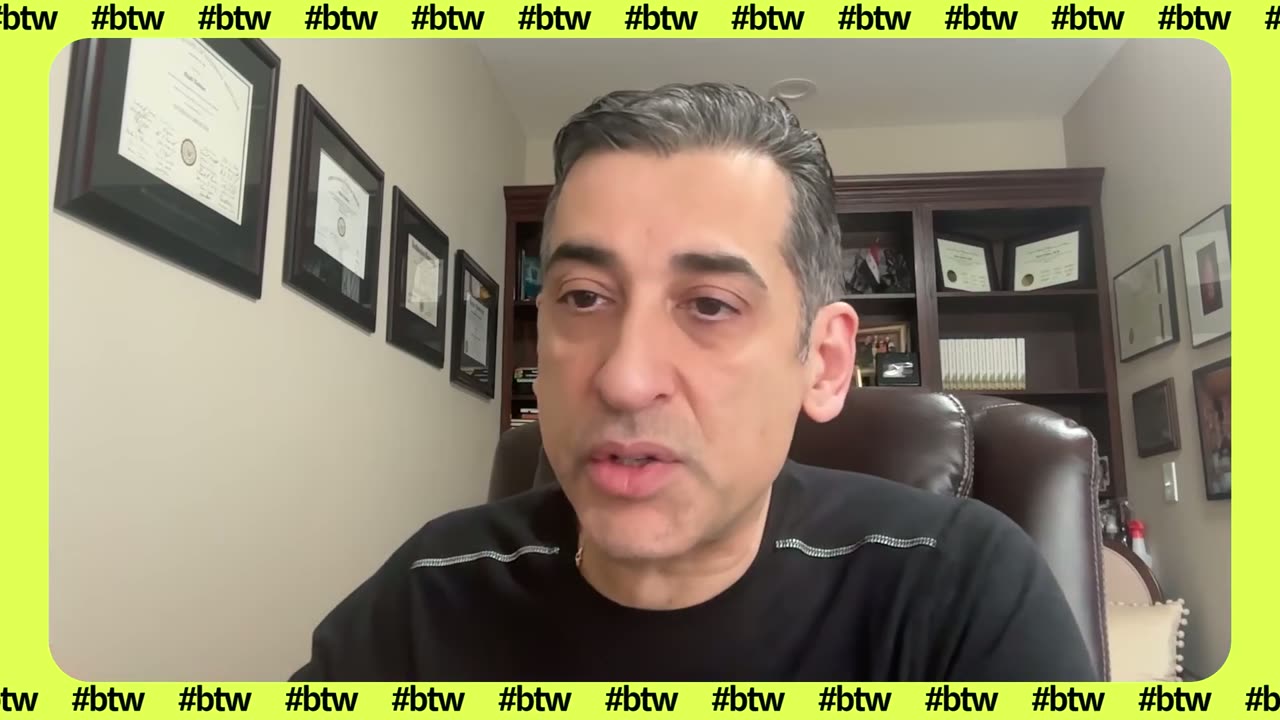
For biomarkers, Ryght uses clinicaltrials.gov, which records the trials each site has run. A site that has done studies requiring biomarker testing has that capability. A site that has run studies in EGFR-mutated tumors has that patient population, so it ranks higher. He adds that when a sponsor keeps coming back to the same site, that site has likely been successful at enrolling. Layering genomic data onto the twins through partnerships is on the roadmap.
Jordan asked what AI changed compared with the old way of running database queries. Dr. Nabhan says the mass of data means none of this can be done manually anymore, and gave three examples. The first is inference: if a site has run a phase one trial, the AI knows it can also handle pharmacogenomic and pharmacokinetic studies.
So the AI infers the information from prior experience and gives us the capabilities of this particular site.
— Dr. Chadi Nabhan, Episode 34
The second is reading the protocol. When a long study protocol is uploaded, Ryght has a set of AI agents that each take a part: one reads the title, one the schedule of events, one the biomarkers, one the endpoints. Within seconds it knows what the trial requires, such as an MRI machine or a CT scanner, and matches that against the digital twins. The third is an agent that finds the best contact person at each selected site for that specific trial.
Sam asked whether lesser-known sites come to Ryght on their own. Dr. Nabhan's answer was a resounding yes, and he joked that Sam should be working with them.
There are so many sites out there that have certain capabilities that they could be forgotten because nobody really has reached out to them and know them.
— Dr. Chadi Nabhan, Episode 34
Ryght is building a platform where sites can update their own information, including details that are not public. He described a site that wants more colorectal cancer studies but hasn't had many because its investigators are not well known. On the platform it can show that interest and its capabilities, and rank higher as a result. He said to expect a press release on this within a couple of months of the recording.
Dr. Nabhan has a new book on AI and cancer care coming out. He says it is not a tech book or a medical book. It is written for anyone who wants to understand enough about AI to have an intelligent conversation without being intimidated by the jargon, and to see how it affects the cancer journey. He also hosts the podcast Healthcare Unfiltered.
Sam asked whether patients arriving with a ChatGPT diagnosis is worse than the old Google problem. Dr. Nabhan thinks it is helpful, a point he also makes in his earlier book, The Cancer Journey.
I think having an informed patient and family is 10 times better than having someone who is not informed.
— Dr. Chadi Nabhan, Episode 34
His view is that, in the US at least, people will look things up and talk to family and friends no matter what. He sees the physician's job as helping patients and families separate signal from noise and myths from facts, and pointing them to more trustworthy sources. He sometimes posts videos on his own channel to counter health information he sees as incorrect. Looking ahead, he expects LLMs to get much better and far more tailored to each patient, and calls AI a net positive for patients. Jordan agreed that in healthcare it looks like a net positive for patients, doctors and the system.
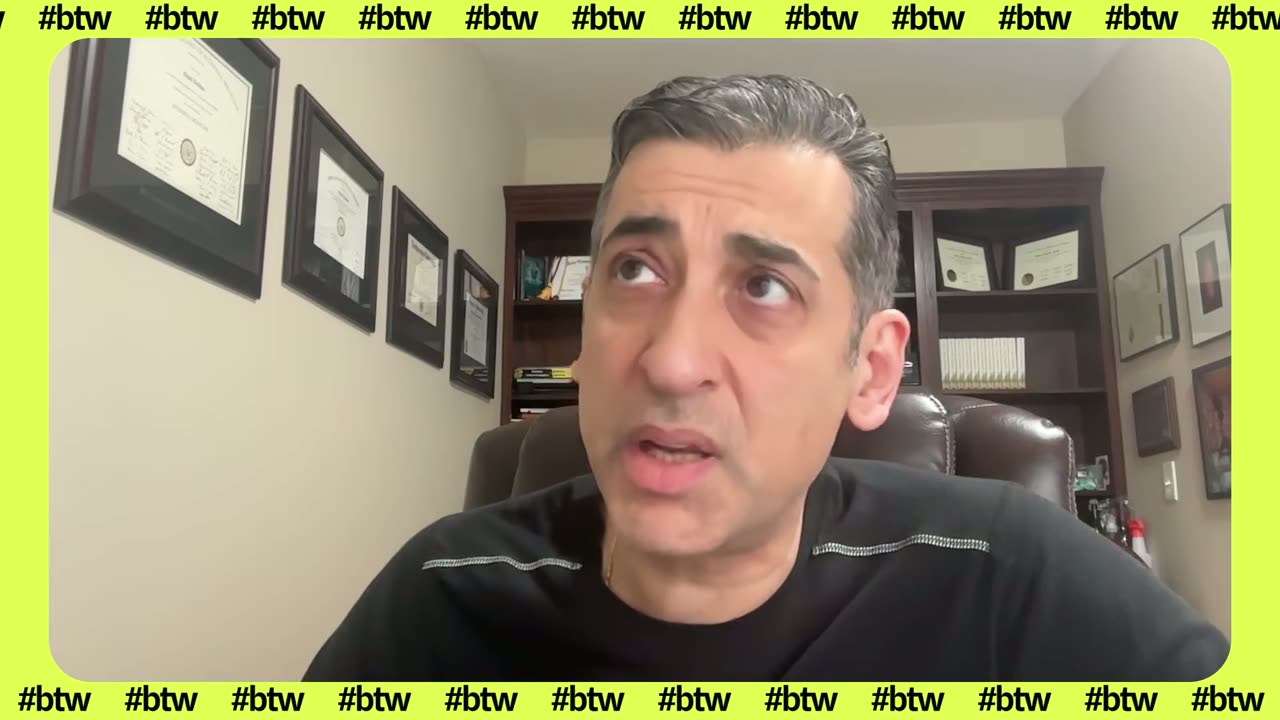
Jordan noted that this was the second or third healthcare guest on the show. We covered AI for filling healthcare shifts in Episode 24 and AI in biology and drug discovery in Episode 32, and we collect these conversations on our AI in healthcare page.
Dr. Nabhan goes deeper on site tiers, census overlays and the protocol-reading agents on camera. Watch Episode 34 of Built This Week, where the full transcript is also on the page.